
Turn your project intoa playable Windows build.
Your Godot, Unity or Unreal game. The right tools. A local build.
All the files and logs, together—without setting up CI.
Create an account. Verify your email. Get the Windows app.
2026.1 pilot · Public sign-up is not open yet.
 See the real workspace
Your games, tools and builds. One workspace.
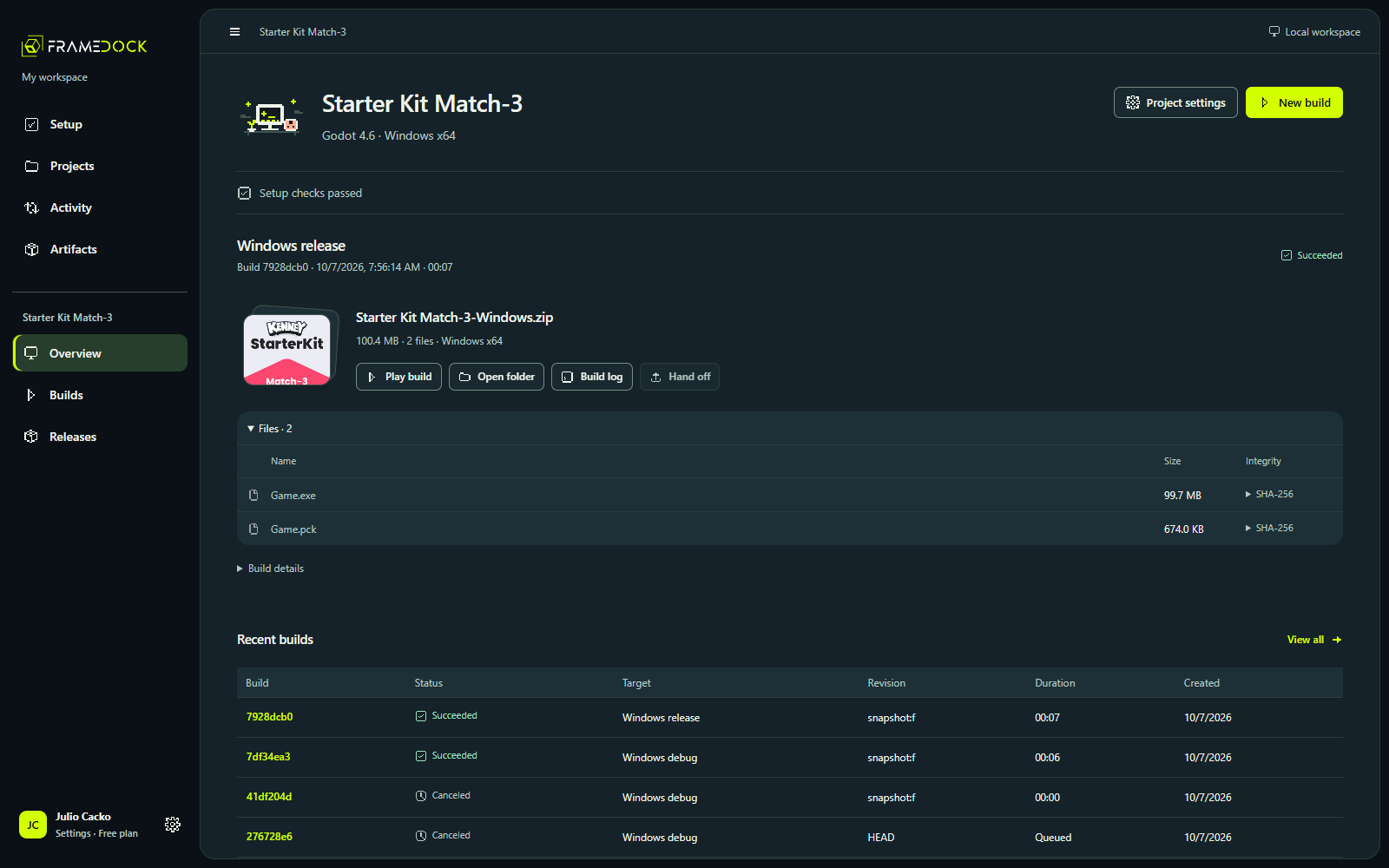
ExploreWatch a real Godot Windows release being built.
ExploreOpen the archive. Read the manifest. Keep the log.
ExploreActual interface recordings · October 2026 · Earlier pilot gameplay shown around the workspace.
The build recording demonstrates a new Godot export; it does not test gameplay.
Keep creating.
Keep the build moving.
A missing export template. The wrong editor. A build log in another folder. frameDock brings the next step into view.
- See the exact tools your project needs.
- Build in an isolated copy of your source.
- Keep the archive, manifest and raw log together.
From your project
to a game you can play.
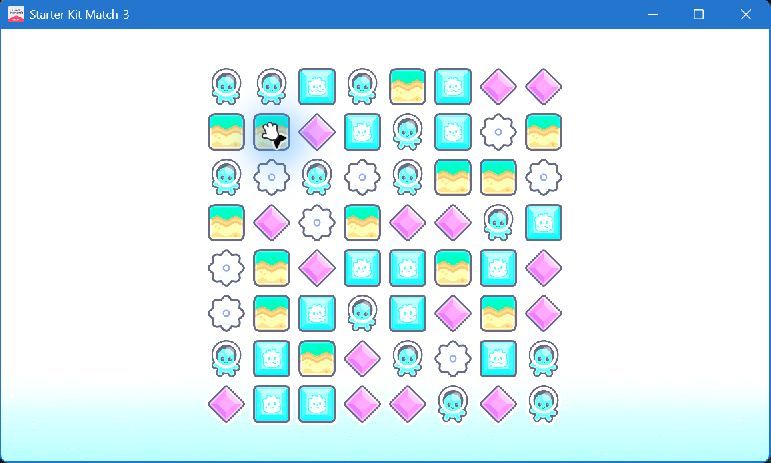
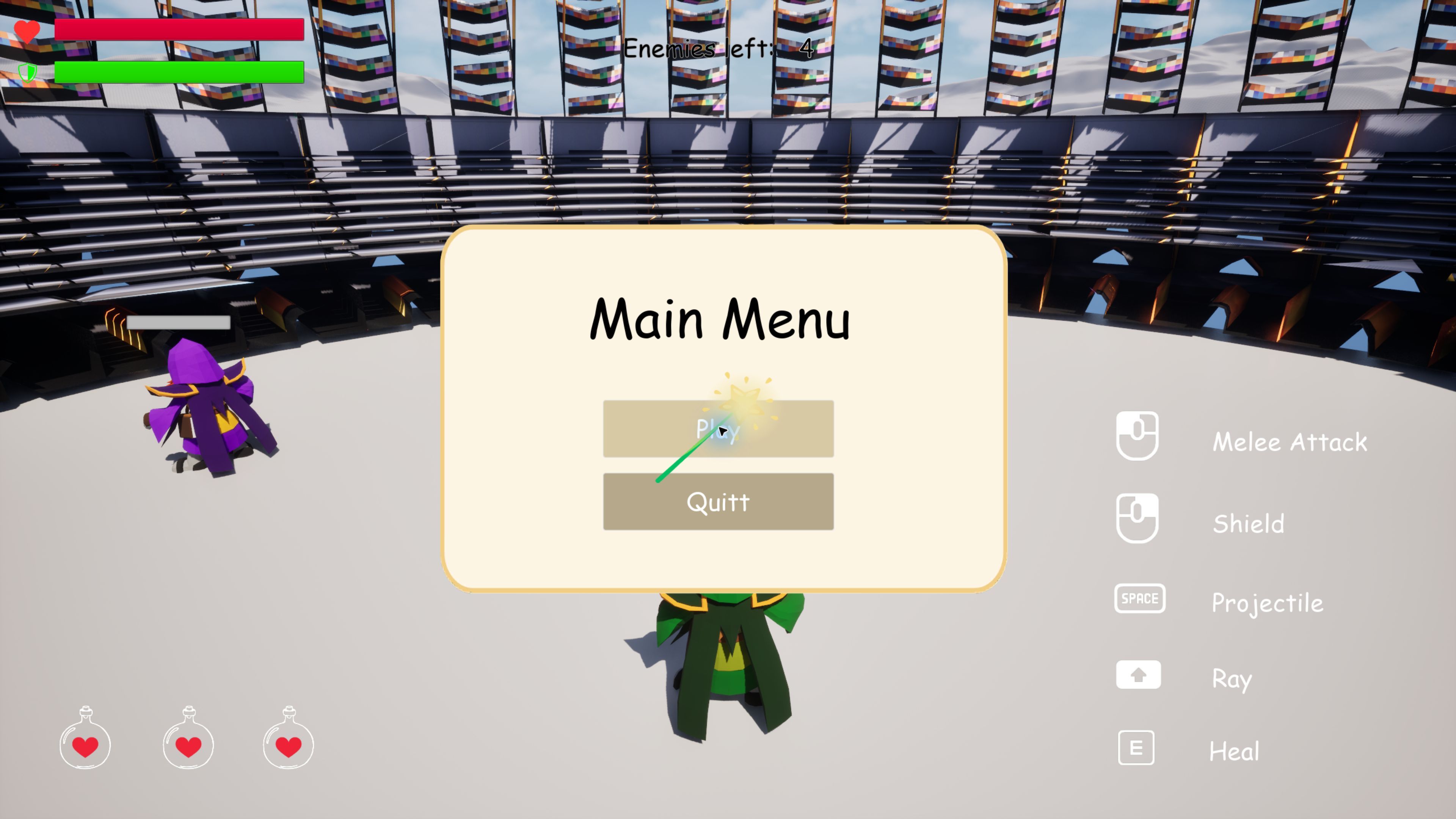
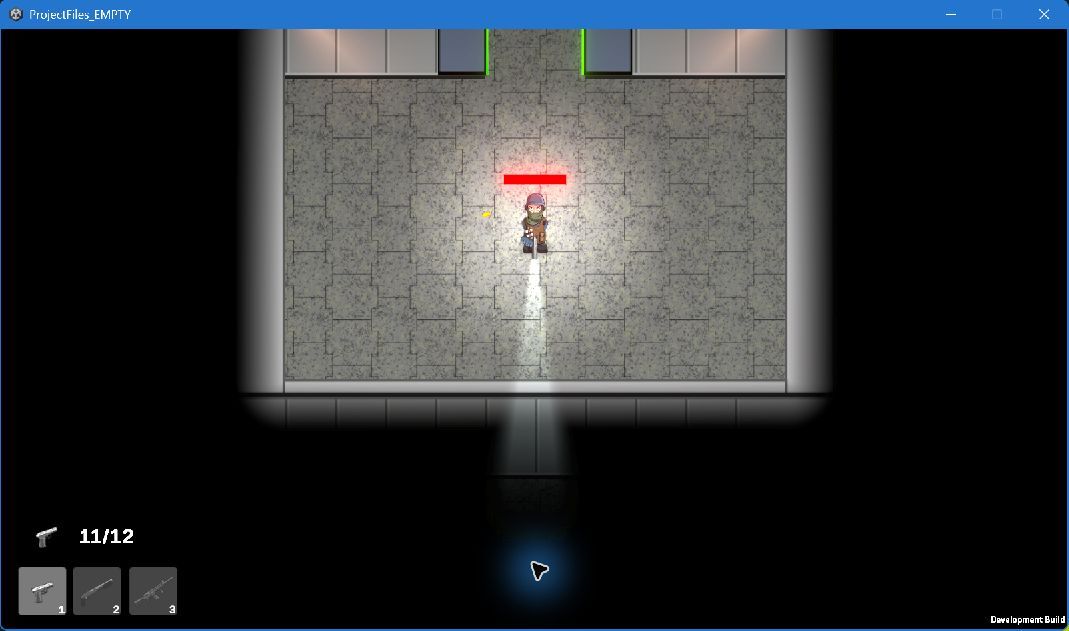
Six real Windows builds across three engines went through frameDock’s build service for this pilot. Every ZIP was extracted and checked against its manifest, and each build was launched to check the game itself.
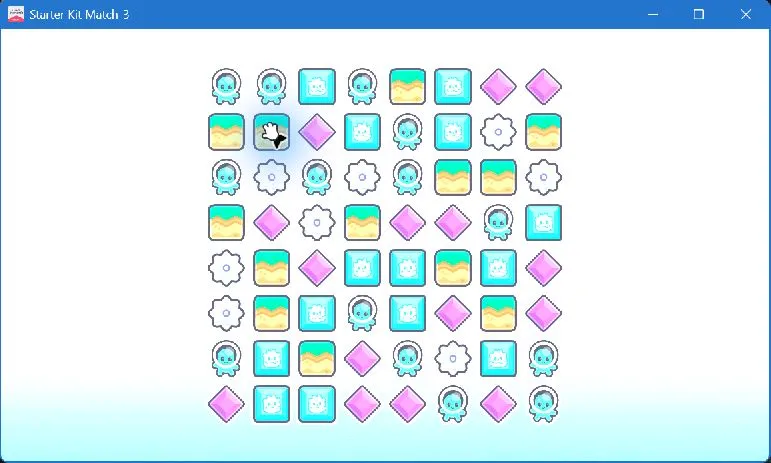
Starter Kit Match-3
Godot 4.6.3 stable
- Debug
- Release
- Artifacts
- Both ZIPs extracted and matched their manifests
- Gameplay checks
- Automated matching and refill, resize, and responsive input after two minutes
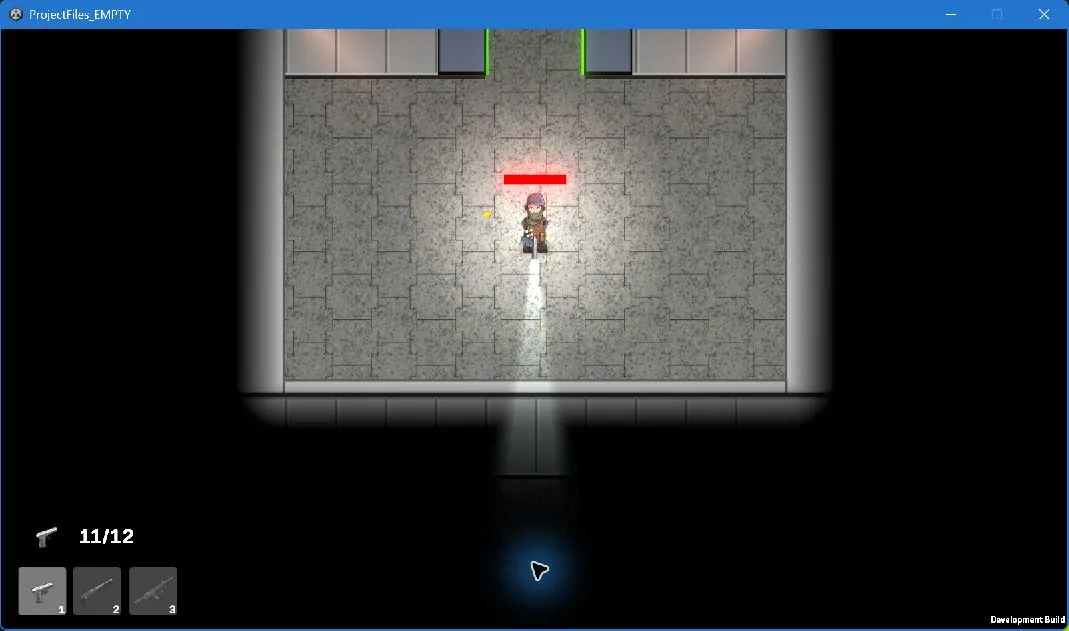
TopDownShooter
Unity 6000.3.0f1 (Mono), official CLI beta.12
- Development
- Release
- Artifacts
- Both ZIPs extracted and matched their manifests
- Gameplay checks
- Development observed and confirmed; Release menu and scene observed, manual sign-off outstanding
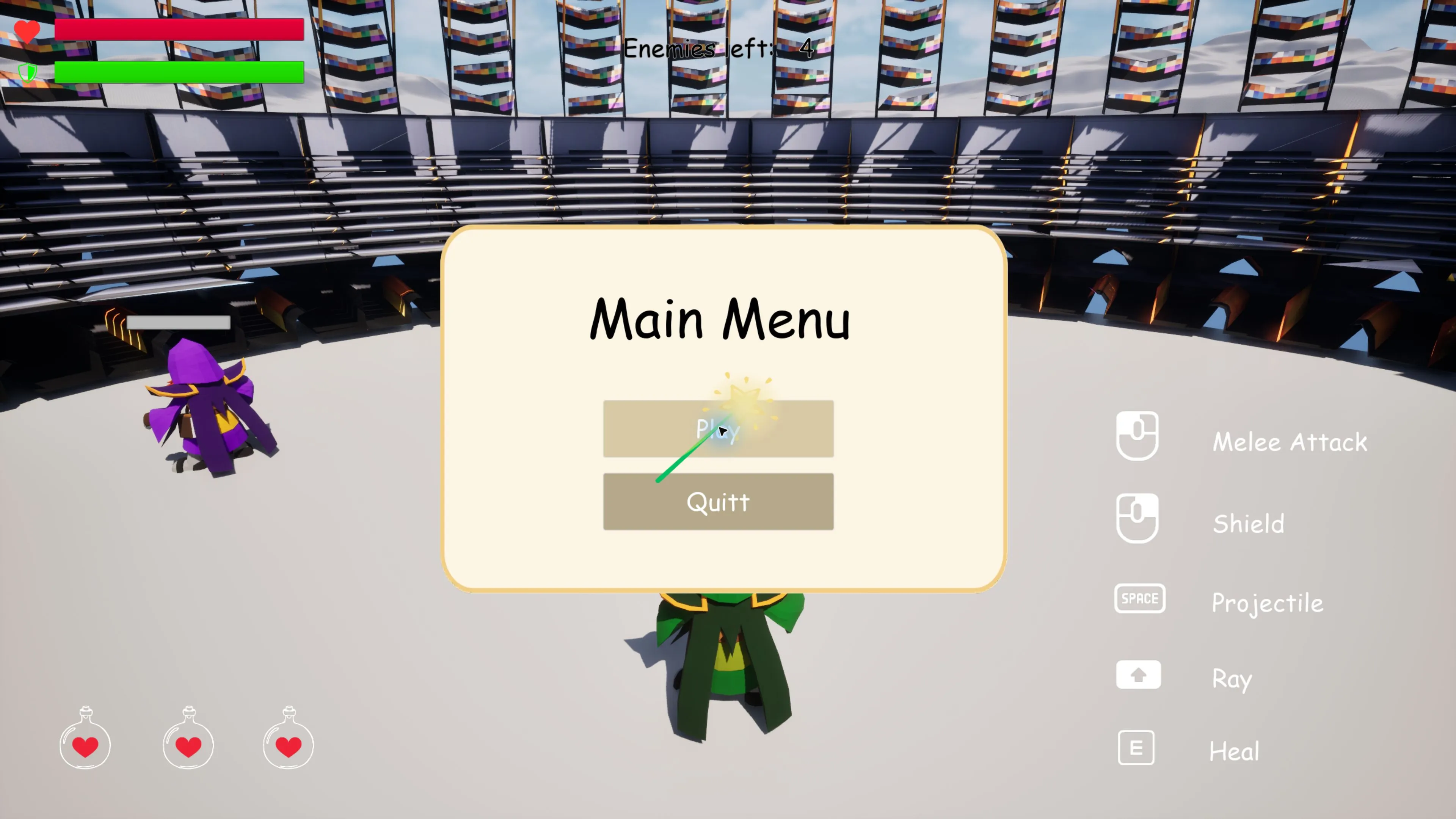
Arena
Unreal Engine 5.7
- Development
- Shipping
- Artifacts
- Both ZIPs extracted and matched their manifests
- Gameplay checks
- Both confirmed after movement, combat, pause, and menu checks
This is build and scenario evidence for these projects, not certification of every game or store scenario. The games and their assets belong to their original authors.
A closer look at your next build.
Your projects, their tools, the build history and the files that come out. Everything you need for the next step, together.
Scroll to explore the workflowChoose a chapter to explore01 / 05
Every game, and whether it can build.
Godot, Unity, and Unreal projects side by side, each with its engine version, source location, and readiness: ready to build, checking, or what setup still needs.
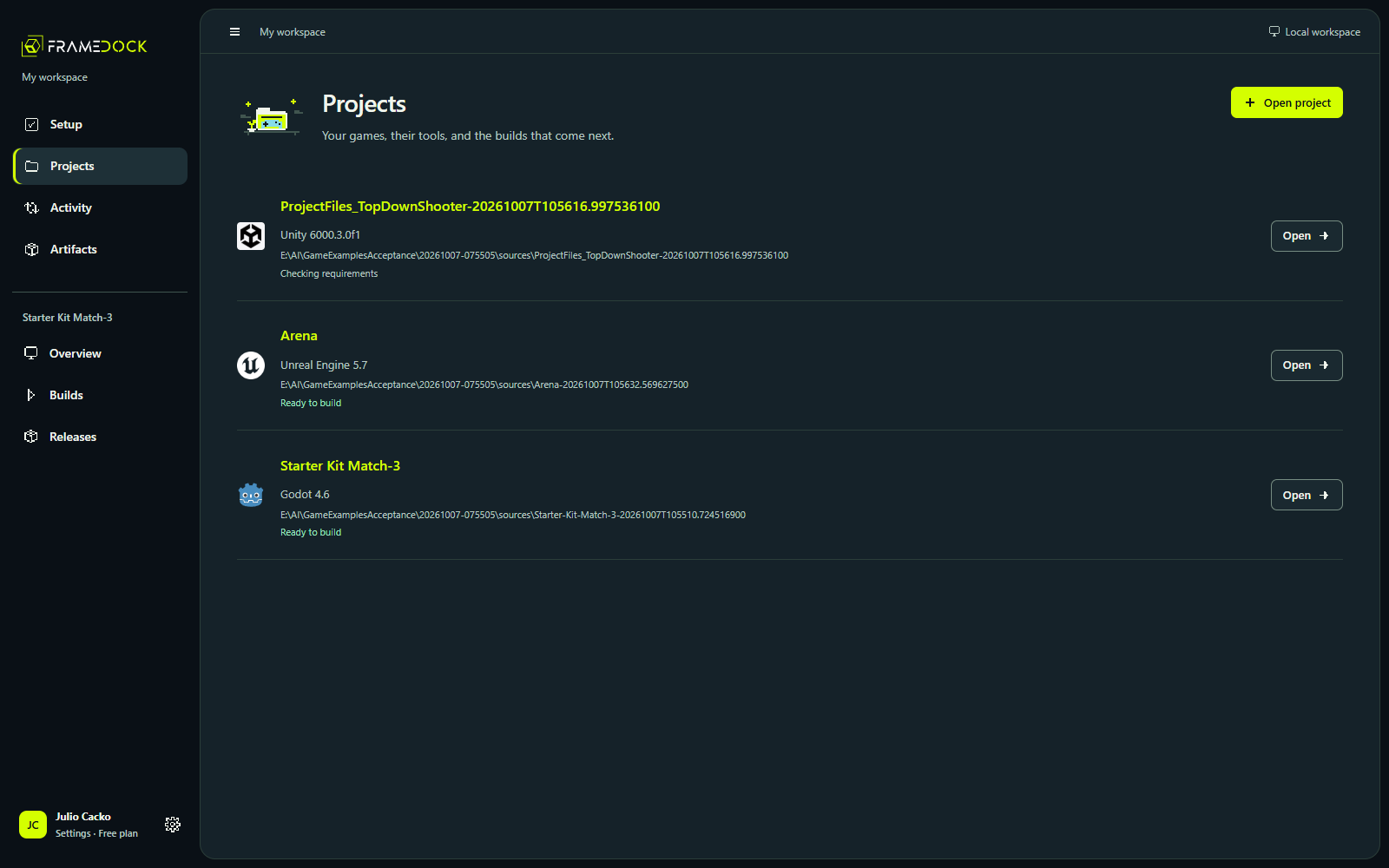
AI-refined UI preview · Select to inspect original ↗
Setup that reads your machine first.
frameDock detects the editor your project needs and the installations you already have, then lists exactly what is missing instead of asking for paths.
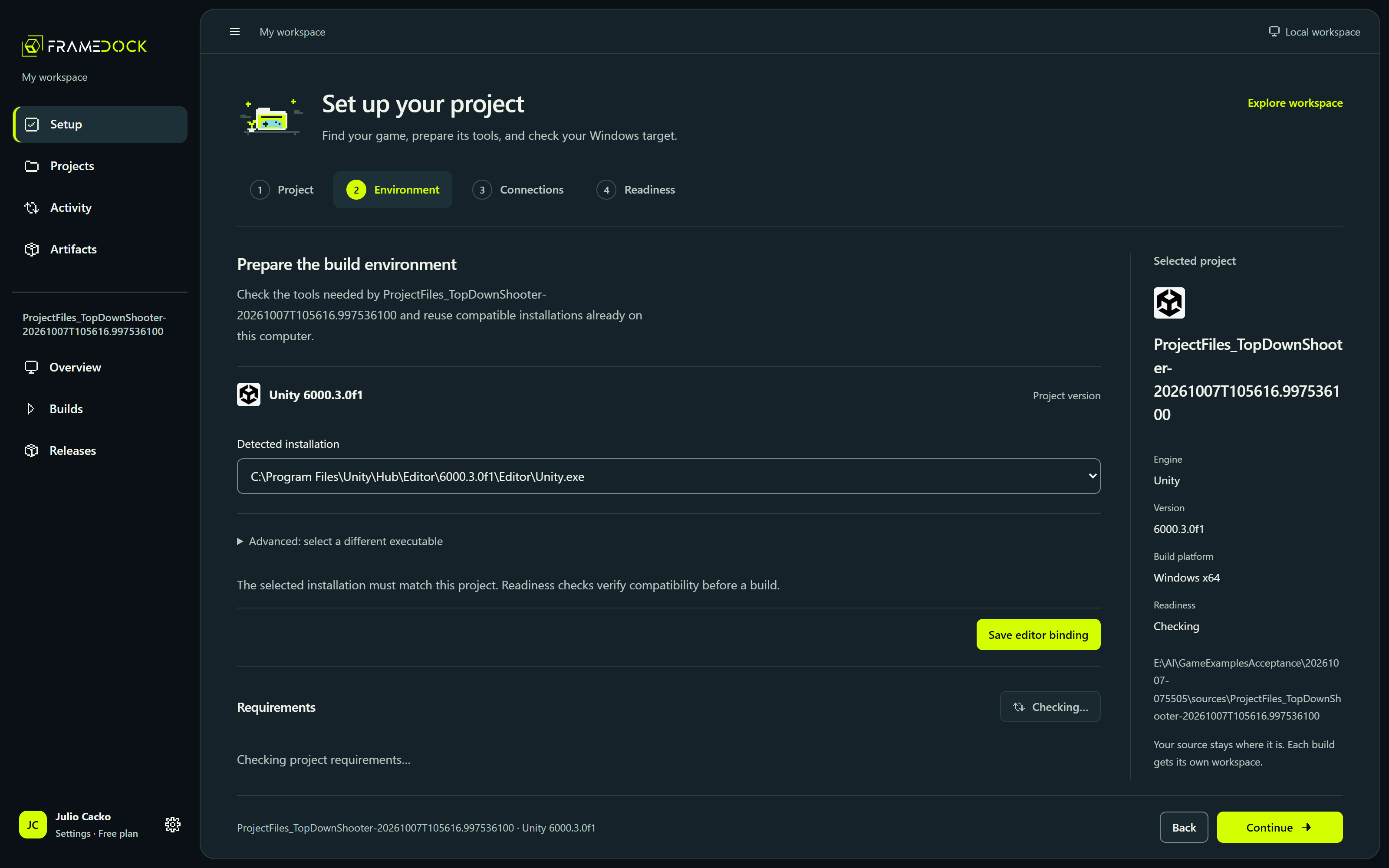
Unedited product capture · Select to enlarge ↗
Raw logs beside the readable story.
Each run keeps its status, target, revision, and duration. The engine’s raw output stays one click away, so a failure is something you can read, not guess.
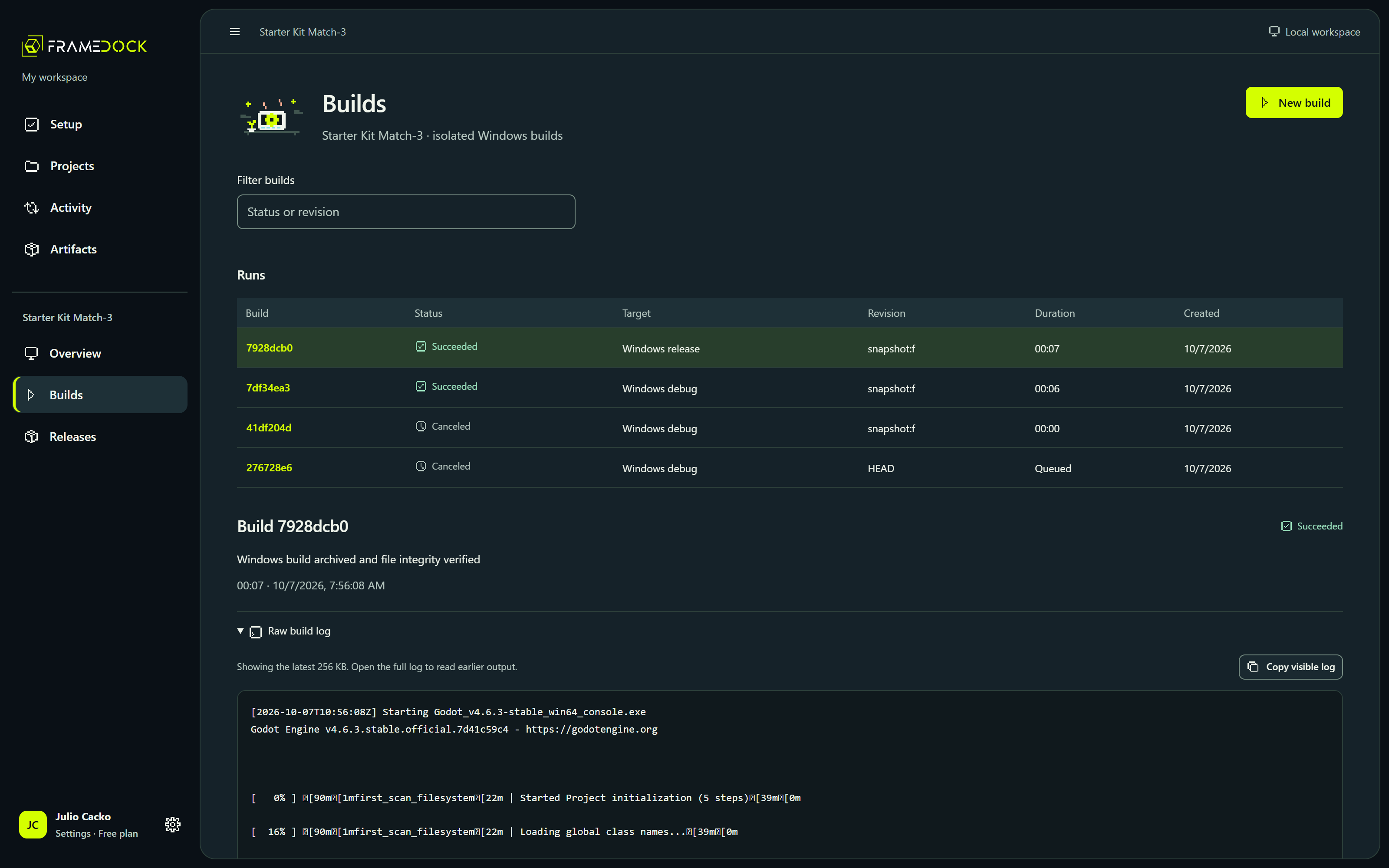
Unedited product capture · Select to enlarge ↗
The build itself, not a promise of one.
A real Godot Windows release: a 100.4 MB archive, two files and their SHA-256 controls. Play build, Open folder and Build log stay beside the result.
AI-refined UI preview · Select to inspect original ↗
Releases start from a verified artifact.
Destinations such as Steam and itch.io are configured per project, and an artifact is validated before anything is uploaded.
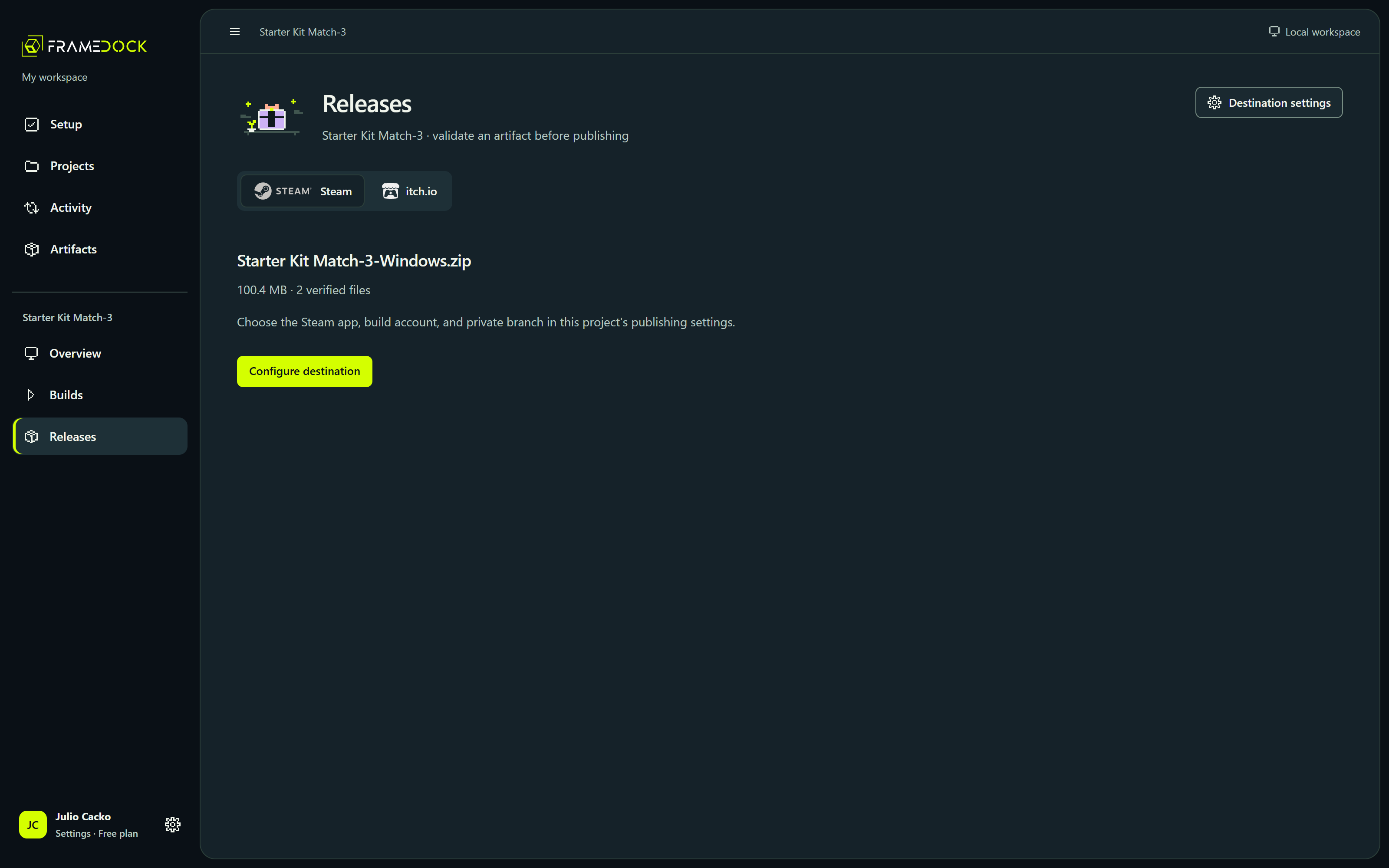
Unedited product capture · Select to enlarge ↗
Under the hood: artifact integrity and build recovery
Every build ships with its receipt.
frameDock archives the Windows build and writes a manifest of every file it contains, with sizes and SHA-256 hashes. This one is a real record from the pilot.
Starter Kit Match-3-Windows.zip
| File | Size | SHA-256 |
|---|---|---|
| Game.exe | 99.7 MB | b9885f486cf5f6ba…c763c134ff |
| Game.pck | 674 KB | 0127d030fe4bc12e…3a602ab781 |
Your source stays where it is
Each build runs in its own isolated workspace. frameDock never changes your project files.
Builds survive interruptions
One local build runs at a time from a durable queue. Cancel any time. Interrupted work recovers when the app restarts.
Logs you can read
Human-readable diagnostics sit beside the raw engine log, which is never hidden or rewritten.
Private Steam branches only
Steam releases go to private branches. The app blocks public uploads.
Uploaded is not released
A finished upload and a branch that is actually live are shown as two different states.
Your next build.
Five clear steps.
Move from a project folder to an inspectable Windows artifact. Keep your source where it belongs and know what to do next.
- 01
Step 1: Open
Open a Godot, Unity, or Unreal project from a local folder or an authorized GitHub repository. frameDock detects the engine and version.
- 02
Step 2: Resolve
It finds the matching editor, Windows build support, export templates, license, and toolchain, and tells you exactly what is missing.
- 03
Step 3: Build
Pick a Windows target. The build runs in an isolated workspace, so your source project stays exactly where and how it was.
- 04
Step 4: Follow
A durable queue keeps progress and raw logs. Cancel any time. Interrupted work recovers when the app restarts.
- 05
Step 5: Ship
Inspect the ZIP and its SHA-256 file manifest, then configure a supported destination such as a private Steam branch or itch.io.
Works with the tools behind your game.
Build Godot, Unity and Unreal projects on Windows. Keep your source and tools local, then prepare the next step toward release.
 Godot
GodotVerified Windows builds
 Unity
UnityExperimental Windows builds
 Unreal Engine
Beta Windows builds
Source access, release preparation and notifications
 GitHub
Configurable
 Steam
SteamConfigurable
 itch.io
Configurable
 Discord
Optional
 Epic Games Store
Configurable
 GOG
GOGConfigurable
A configured destination is not a verified upload or a live store release.
Compatibility notes and requirements
Godot
Windows Release and Debug exports from your saved presets, with export templates installed inline.
Unity
Batch builds through the official Unity CLI beta. Needs the project’s exact editor and a valid license.
Unreal Engine
Win64 Development and Shipping packaging through UAT. Packaging is in beta.
GitHub
Clone an authorized repository over HTTPS. The token stays in Windows Credential Manager.
Steam
SteamPipe app and depot mapping with private-branch guards. A live upload has not been verified yet.
itch.io
Push with butler, then validate the receipt. A live upload has not been verified yet.
Discord
Per-project webhook for build notifications.
Epic Games Store
BuildPatchTool upload profile. Needs store-provided tooling and credentials; no live upload evidence yet.
GOG
Uploader profile for approved partners. No partner upload evidence yet.
PlayStation, Xbox, Nintendo Switch
Console profiles record requirements and blockers only. No SDK packaging, signing, or submission.
Platform names and marks belong to their owners. They identify integrations; no endorsement or partnership is implied.
An account that stays out of your project.
You sign in to frameDock to use it. Your builds and uploads still run on your own computer, and nothing about your game becomes part of the account.
No password
Sign in from the app with your email. A one-time link approves the computer, and a matching code shows the request came from you.
Works offline
Your plan is a signed entitlement checked on your computer, valid for 30 days without reaching the service.
Your project stays on your computer
Names, paths, files, repositories, logs, credentials, and build output are never part of your account.
Counting is opt-in
Usage counts are off until you turn them on, come from a short fixed list, and are not linked to you.
Build locally for free.
Upgrade for your next step.
Keep the local build foundation in every plan. Add the capability your work needs, with no revenue-based upgrade rule.
Free
Make your first build
Make and ship commercial games on your own.
$0 / monthFree for commercial use
Explore FreeIndie
Share with your people
Share a verified build with your testers and teammates.
$3 / month$36 billed yearly
Explore IndiePro
Free up your machine
Build on a dedicated computer and keep your own machine free.
$8 / month$96 billed yearly
Explore ProTeams
Bring the studio together
Give the people shipping your game clear roles and approvals.
$8 / person / month$96 billed yearly per person
Explore Teams
USD before tax. Published launch pricing. Paid sales are not open yet.
Compare every planGet frameDock.
Make your next build.
One free account. Your Windows download. A local workspace for your game.
Create free accountAccount sign-up is not open on this site yet.
Create your account
Once sign-up opens, enter your email and open the verification link we send. No password and no payment details.
Download for Windows
After you verify your email, the Windows download appears in your frameDock account. It needs Windows x64 with Microsoft WebView2.
Sign in and open a project
Sign in to the app with the same email, then choose a Godot, Unity, or Unreal project folder or an authorized GitHub repository. Setup detects the rest and tells you what is missing.
The 2026.1 Windows pilot is unsigned. Live provider uploads, clean-machine dependency installation, signing, and console SDK execution remain unverified.